
ALpine Lakes Fishing Report
Rating
/5
*Parks Fly Shop guides have personally surveyed the waters and given a rating.
Weather

 40°F


Wind
Map
Annual Thaw Freeze Cycle
Graph coming soon!
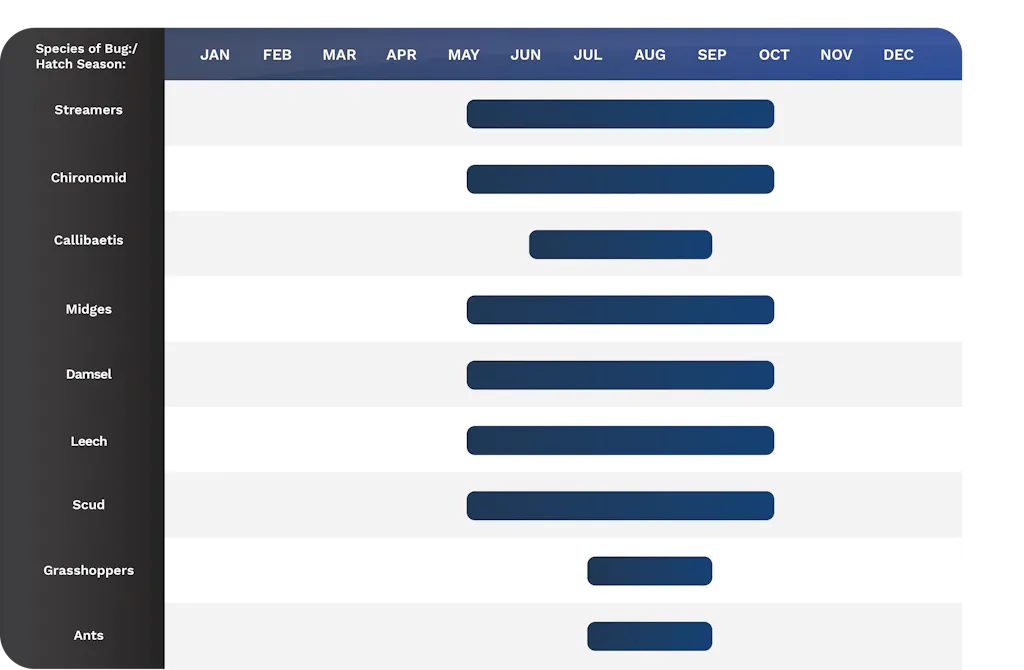
Hatch Chart
Current Report
We are entering the heart of alpine lake season, and fishing opportunities continue to improve as summer progresses. Ants and beetles are becoming increasingly common along the shorelines, while Chironomid and Callibaetis hatches are beginning to provide consistent aquatic insect activity on many lakes. Damsel fly activity is still likely a few weeks away, but water temperatures remain cool enough that fish are holding close to shore, making them accessible to both wading and bank anglers. Whether you’re fishing dry flies, terrestrials, or subsurface patterns, now is an excellent time to explore the park’s alpine waters. As always, be bear aware when hiking into these remote areas and be sure to check Yellowstone National Park’s backcountry situation report before your trip to ensure your intended destination and access routes are open.
River Descriptions: Alpine Lakes
General Characteristics
- Often overlooked compared to famous rivers and creeks.
- Offer remote locations and potential solitude.
- Fish presence and types vary between lakes.
Fishery
- Species and size vary depending on the lake.
- Possibilities include Cutthroat, Greyling, or Brook Trout.
- Common techniques: static nymphing (leeches, midges), tandem dries, streamers.
Fishing Season
- Check individual lake regulations for specific dates.
- Generally accessible after ice melts, peak season may vary.
Recommended Access points
- Cascade Lake
- Grebe Lake
- Trout Lake
- Grizzly Lake
- Sportman’s Lake
Skill Level & FIsh Size
- Requires research and planning due to varying access and conditions.
- Fishing skill level can range from beginner (static nymphing) to advanced (streamers).
- Size depends on the lake and food availability.
- Generally smaller than fish in renowned rivers and creeks.
Additional Notes
- Be aware of changing weather conditions and potential hazards in remote areas.
- Practice Leave No Trace principles and respect wildlife.
- Consider guided trips for expert advice and safe access to remote lakes.
- Ice off begins as early as April but can take as along as mid July to complete.
Explore Our Guided Trips
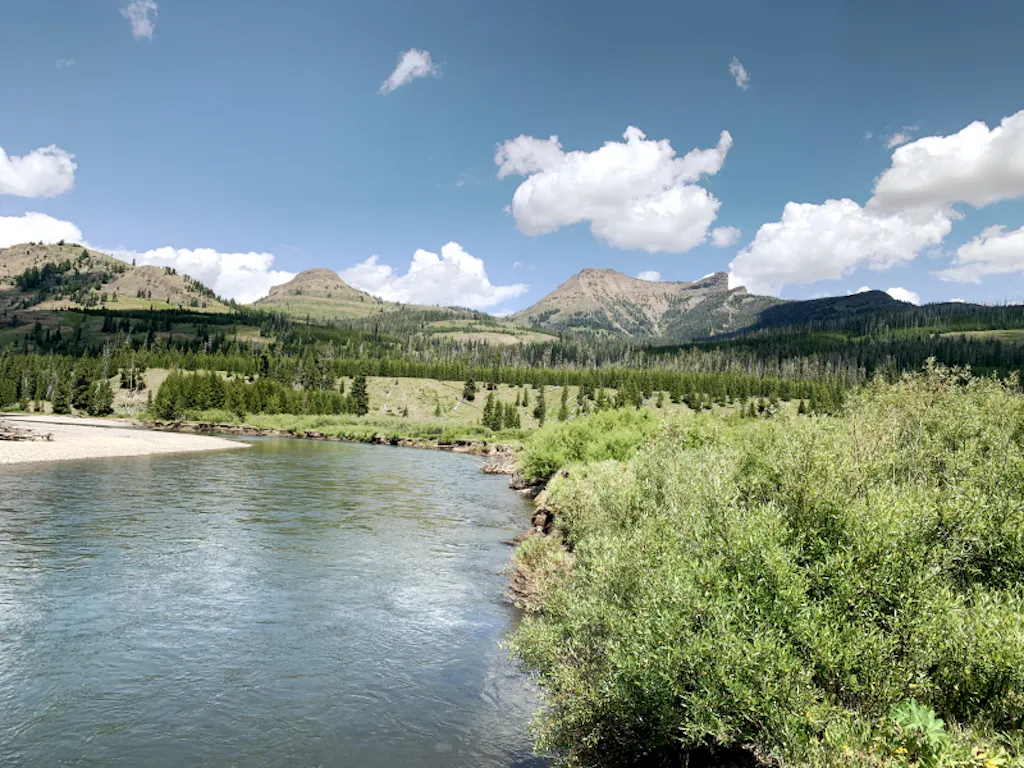
Walk & Wade Trips
Explore Yellowstone National Park’s largest expanse of public trout water in the lower 48.
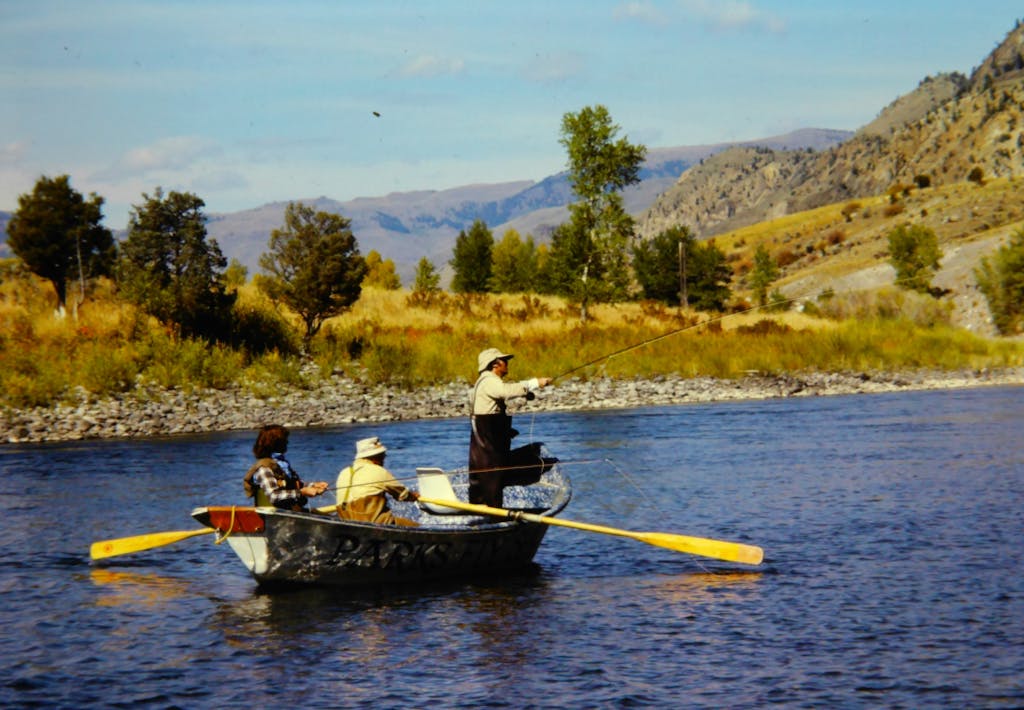
Float Trips
Great for those looking to relax, catch fish, and cover miles on the Yellowstone River.

Private Waters
Dive into exclusive angling experience through private ranch lakes and spring creeks.
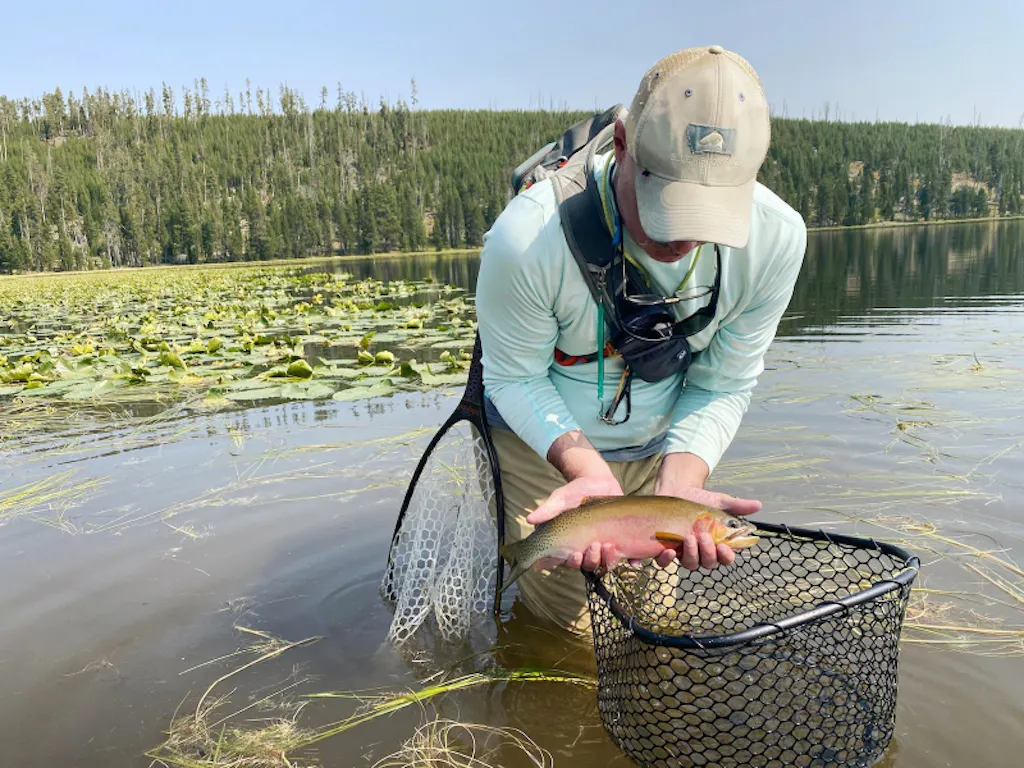
Beginner Trips
Discover beginner friendly fly fishing–ideal for families and first time anglers!