
Livingston to Big Timber Fishing Report
Rating
/5
*Parks Fly Shop guides have personally surveyed the waters and given a rating.
Weather

 58°F


Water Temp
FLOW
Wind
Map
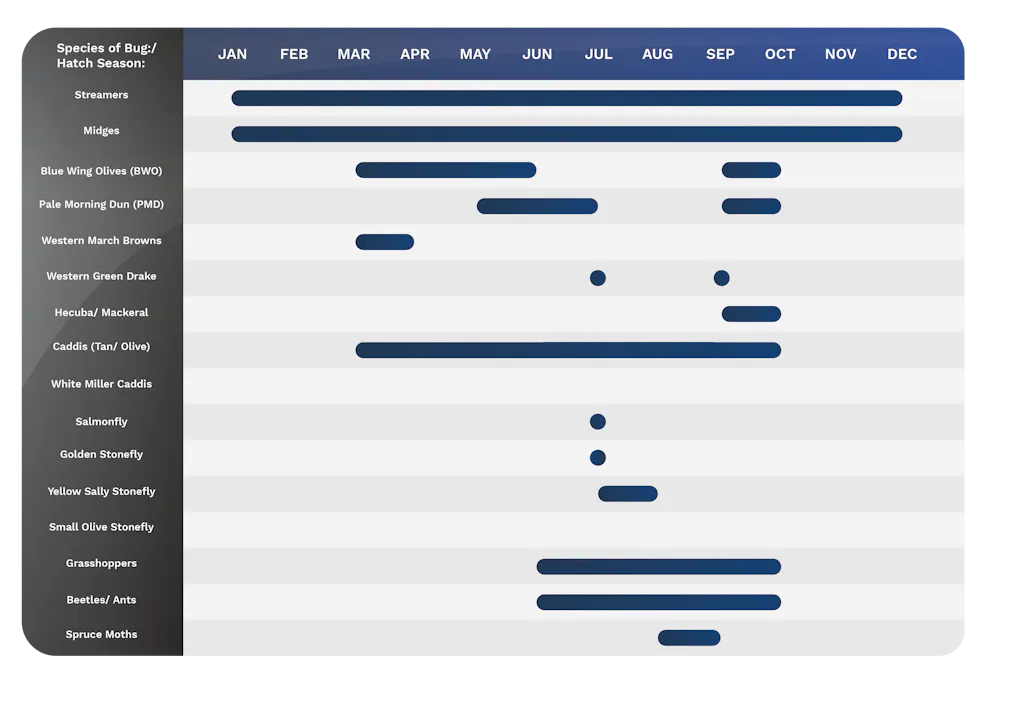
Hatch Chart
Current Report
The big fish are spread throughout the system right now, with nymphing continuing to be the most reliable way to find good numbers of fish. We’ve had some BWO activity in the mornings, but the bright fall sun has kept the dry fly opportunities fairly limited. Big stonefly nymphs, caddis soft hackles, and perdigons have been our go-to flies lately. If you’re after a bigger fish rather than numbers, streamers are definitely worth having in the mix and have been producing some quality eats.
USGS Flow Chart
River Descriptions: Yellowstone River
General Characteristics
- Yellowstone River flows over waterfalls and through a deep canyon with high banks for 30+ miles.
- Divided into Grand & Black Canyons by Lamar River mouth.
- Narrow, deep, fast river with challenging rapids (class IV & V).
- Mostly sheer banks and boulder shores.
- Physically demanding access requiring hiking/scrambling.
- Bottom: gravel/cobble, some boulders, mud (volcanic ash, rain).
- Spring runoff extended in Black Canyon, impacting flow.
Fishery
- Unique combo of decent-sized cutthroat trout.
- Take dry flies, nymphs, streamers.
- Prime spots rare, more unsafe areas than fishable ones.
Fishing Season
- All season after runoff subsides.
- Stoneflies (July), caddis & hoppers (August), mayflies (cooler temps).
- Western Green Drakes & Drake Mackerel prominent.
Recommended Access points
- Carter’s Bridge
- Mayor’s Landing
- Pig Pen
- Springdale
- Grey Bear
- Otter
Skill Level & FIsh Size
- Suitable for all skill levels.
- Average fish: 12-16 inches, potential for low 20s.
Additional Notes
- Consider mud impact throughout the season.
- Run off is fairly considerable on this river.
Explore Our Guided Trips
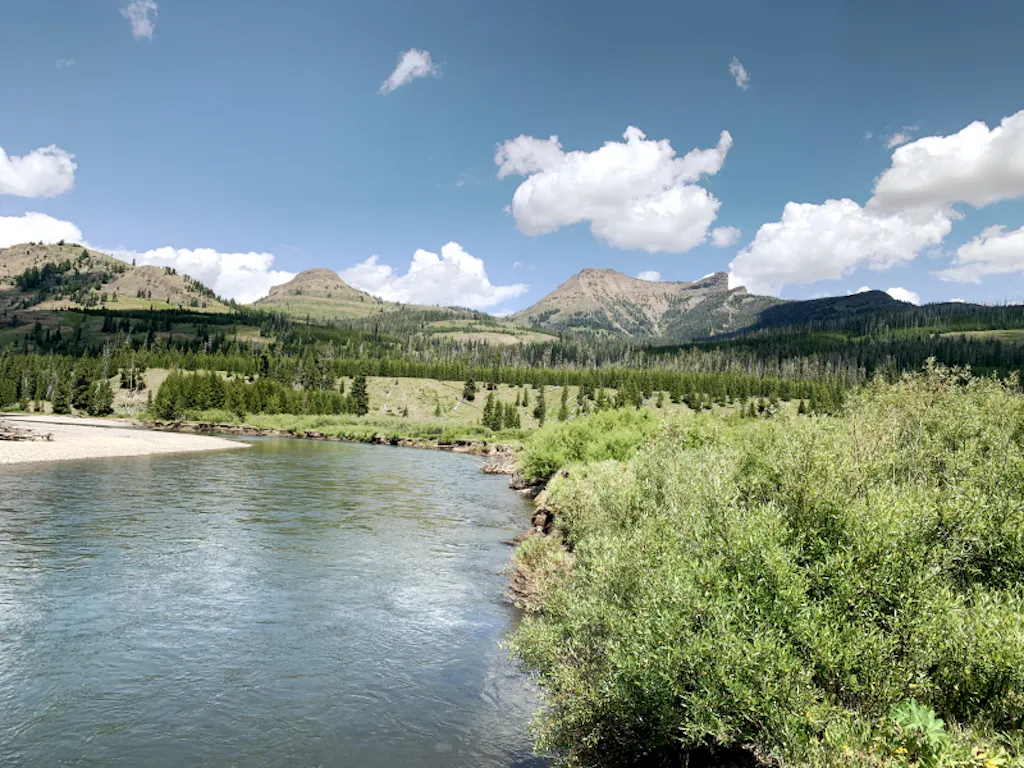
Walk & Wade Trips
Explore Yellowstone National Park’s largest expanse of public trout water in the lower 48.
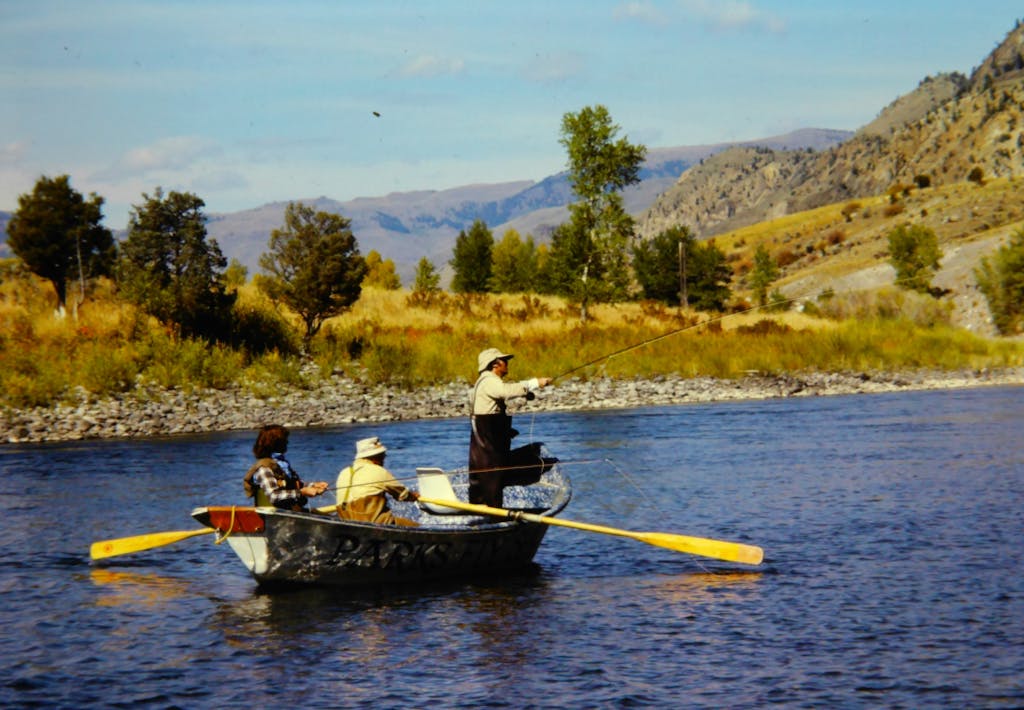
Float Trips
Great for those looking to relax, catch fish, and cover miles on the Yellowstone River.

Private Waters
Dive into exclusive angling experience through private ranch lakes and spring creeks.
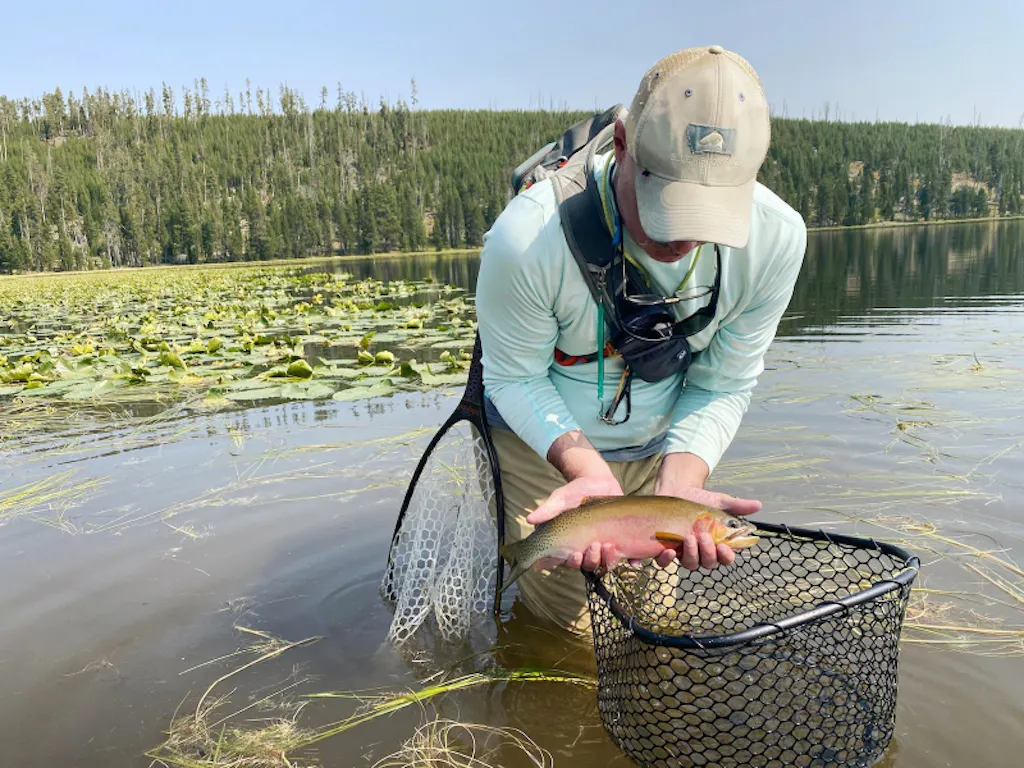
Beginner Trips
Discover beginner friendly fly fishing–ideal for families and first time anglers!