
Park Boundary Fishing Report
Rating
/5
*Parks Fly Shop guides have personally surveyed the waters and given a rating.
Weather

 34°F


Water Temp
FLOW
Wind
Map
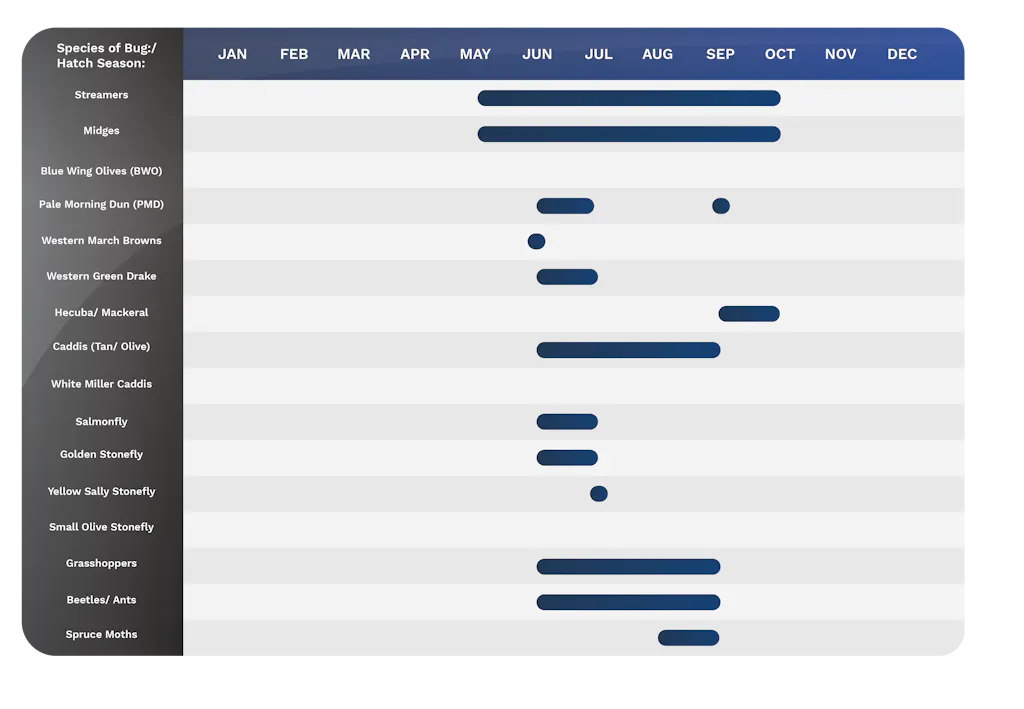
Hatch Chart
Current Report
The Yellowstone canyons are fishing very well this fall and are a great option for anglers looking to get away from the crowds and explore some new water. With flows dropping, access along the banks and canyon walls has opened up, allowing anglers to reach stretches of river that are typically difficult or impossible to fish on foot. Nymphing is still the name of the game, with big stonefly nymphs, caddis nymphs, and perdigons producing the most consistent action. There are also some opportunities for BWO and Drake Mackerel activity on the surface, especially on cloudy days. Streamers are another good option and can produce some quality fish as we move further into fall.
USGS Flow Chart
River Descriptions: Park Boundary
General Characteristics
- Stretch: Knowles Falls to the Gardner River Confluence.
- Water: Fast-moving, whitewater sections.
- Banks: Steep, crumbly, mix of dirt, boulders, bushes, and sagebrush.
- Accessibility: Challenging for on-foot fishing, requires some scrambling and physical fitness.
Fishery
- Decent-sized trout in a variety of species (average 12-16″, some up to 20″).
- Respond well to dry flies, nymphs, and streamers.
- Access becomes very difficult about 2.5mi above the Gardner River Confluence.
Fishing Season
- Season long (depending on access and weather).
- Best just after high water (spring) for dry fly fishing.
- Fall offers good nymphing opportunities.
Recommended Access points
- Public waters but can have some issue of private access along the east shore.
- Research specific points for ease of access and safety.
Skill Level & FIsh Size
- Suitable for experienced anglers comfortable with challenging terrain and fast-paced fishing.
- Expect average sized fish, occasional bigger catches.
ADDITIONAL NOTES
- Not recommended for relaxing fishing or beginners.
- Guided trips can enhance safety and access to prime spots.
- Prepare for physically demanding terrain and proper footwear/clothing.
- Be aware of changing water conditions and potential hazards.
Explore Our Guided Trips
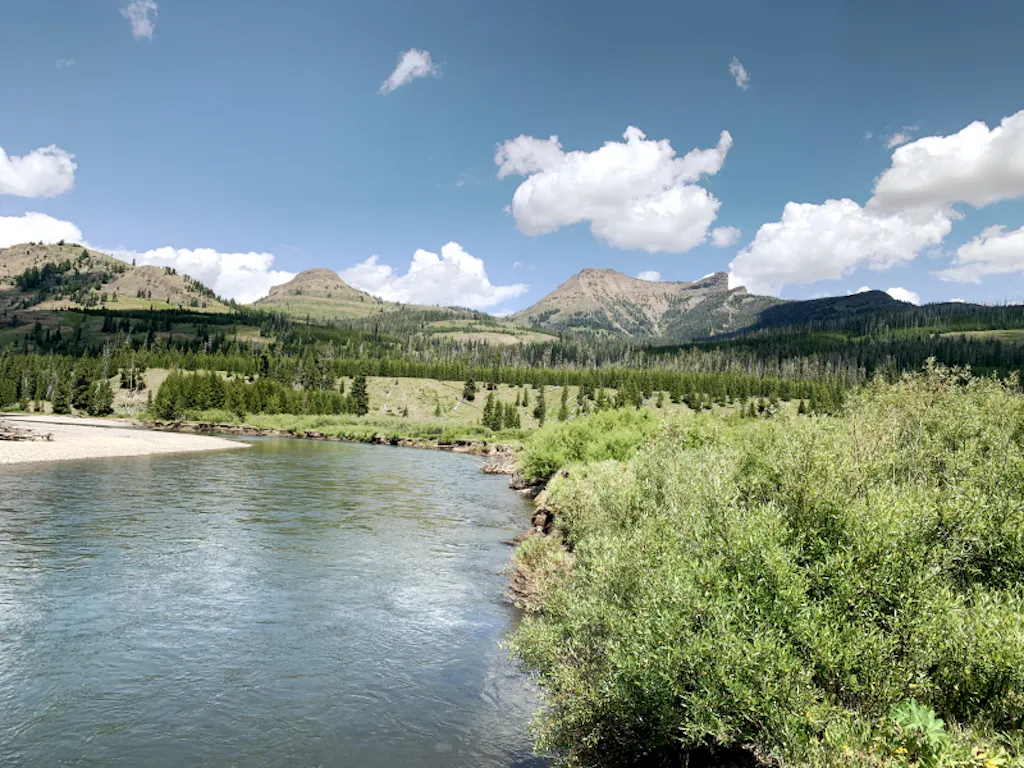
Walk & Wade Trips
Explore Yellowstone National Park’s largest expanse of public trout water in the lower 48.
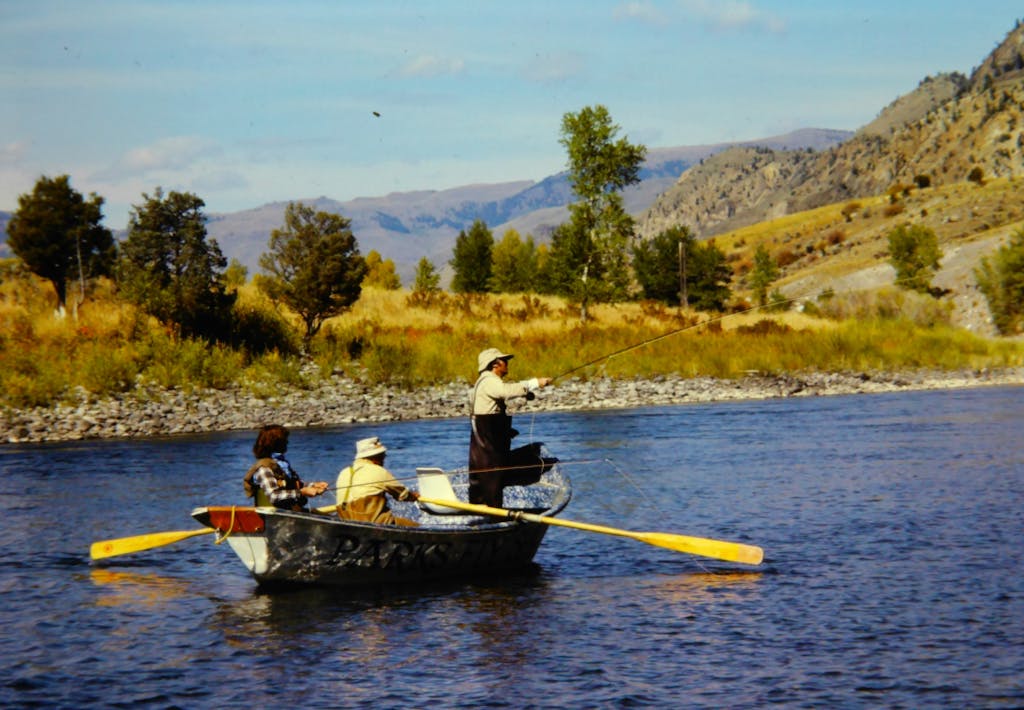
Float Trips
Great for those looking to relax, catch fish, and cover miles on the Yellowstone River.

Private Waters
Dive into exclusive angling experience through private ranch lakes and spring creeks.
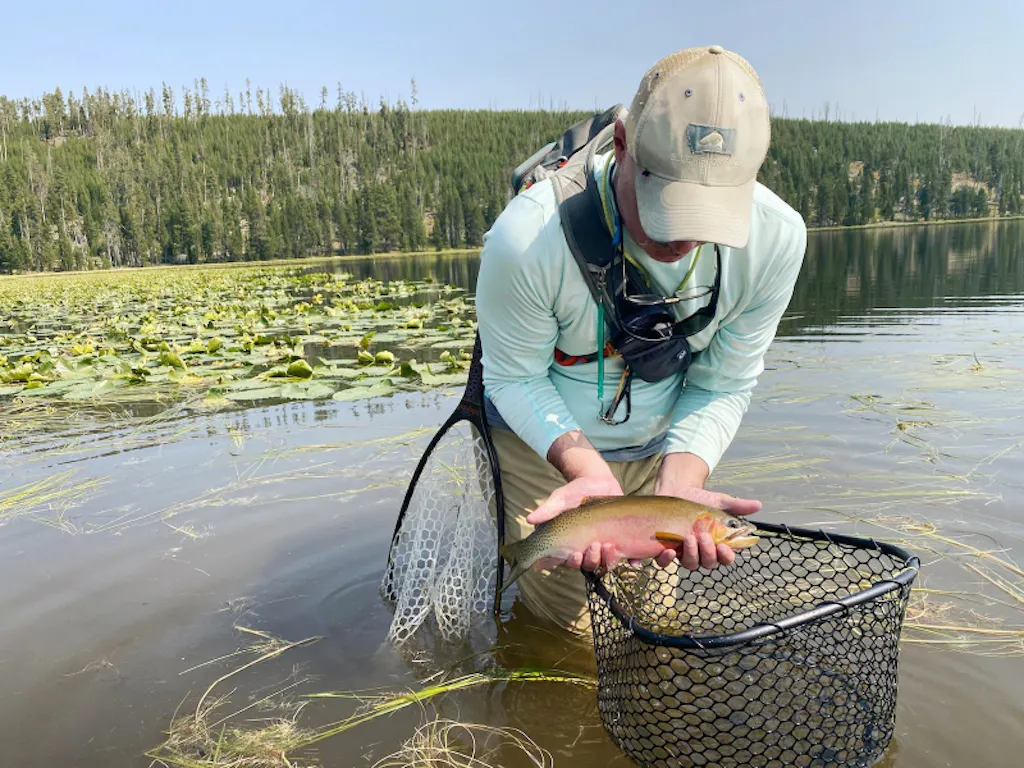
Beginner Trips
Discover beginner friendly fly fishing–ideal for families and first time anglers!